

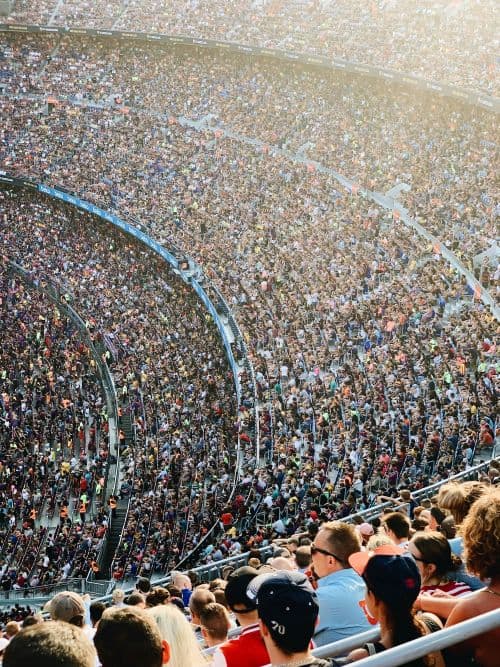
Imagine filling every stadium on Earth. That's the scale of clothing we produce each year.
What Does 160 Billion Items Look Like?
If you stacked all 160 billion clothing items produced each year, the pile would reach the moon and back. Multiple times. Every single year, we create enough clothing to give every person on Earth 20 new items.
Did You Know?
92 million tonnes of clothing goes to landfill each year. That's one garbage truck of textiles dumped every second. And less than 1% of clothing is recycled into new garments.
The 500-Hour Shirt
In 1800, making a single shirt took over 500+ hours of labor. Spinning thread, weaving cloth, cutting and sewing by hand. Clothing was precious. Families mended garments until they literally fell apart, then repurposed the fabric into quilts or rags.
Today? The average garment is worn just 7 times before being discarded. We've gone from treasuring our clothes to treating them as disposable. In the mid-1990s, Americans purchased about 28 garments per year. By 2018, that number had jumped to 68. We're buying more than twice as many clothes and keeping them for half as long.
We've gone from treasuring clothes for generations to treating them as disposable.
Source: Ellen MacArthur Foundation
Think About It:
That polyester shirt you bought last month could still be sitting in a landfill when your great-great-grandchildren are born. Synthetic fibers can take 200+ years to decompose.
The Environmental Cost
The fashion industry now accounts for 10% of global emissions. To put that in perspective: that's more than all international flights and maritime shipping combined. The industry also consumes 141 billion cubic meters annually annually. Making just one cotton t-shirt uses about 700 gallons of water.
According to the Ellen MacArthur Foundation, if nothing changes, the fashion industry will use 26% of the global carbon budget by 2050. That's a future we can help prevent.
What You Can Do
The solution isn't to stop buying clothes entirely. It's to buy less, choose better, and donate instead of discard. Every item donated to a local charity gets a second life and keeps textiles out of landfills.
Donate what you don't wear
Instead of tossing clothes, give them a second life. Check out our donation guidelines to make sure your items are ready.
Choose quality over quantity
Investing in well-made pieces means buying less overall. Learn more in our guide on sustainable fashion.
Repair before replacing
A missing button or small tear doesn't have to mean the end. Check out upcycling options for creative ideas.
Pro Tip:
Use our interactive map to find donation centers near you. We've mapped over 14,000 locations across all 50 states.
The Bottom Line
Looking at those diverging lines on the chart, it's easy to feel overwhelmed. But here's what I keep coming back to: those lines are made up of billions of individual choices. Every time you choose to donate instead of trash, to repair instead of replace, to buy secondhand instead of new, you're part of the solution.
The data tells us we have a problem. But it also shows us exactly where we can make a difference. Your next donation, your next thoughtful purchase... it all adds up.
Sources
- Ellen MacArthur Foundation: A New Textiles Economy: Redesigning Fashion's Future (2017)
- UN World Population Prospects: Population Data
- Statista: Textile Fiber Production 1975-2030
- World History Encyclopedia: The Textile Industry in the British Industrial Revolution
- Earth.org: Fast Fashion Statistics
- PIRG: Fast Fashion by the Numbers

Kelly is a Senior Program Manager at the American Red Cross with nearly 7 years of experience in disaster response and community outreach. A graduate of Appalachian State University, she's passionate about connecting people with resources that make a real difference. When she's not coordinating relief efforts, Kelly loves sharing practical tips on sustainable giving and helping others find meaningful ways to support their communities.
Related Reading
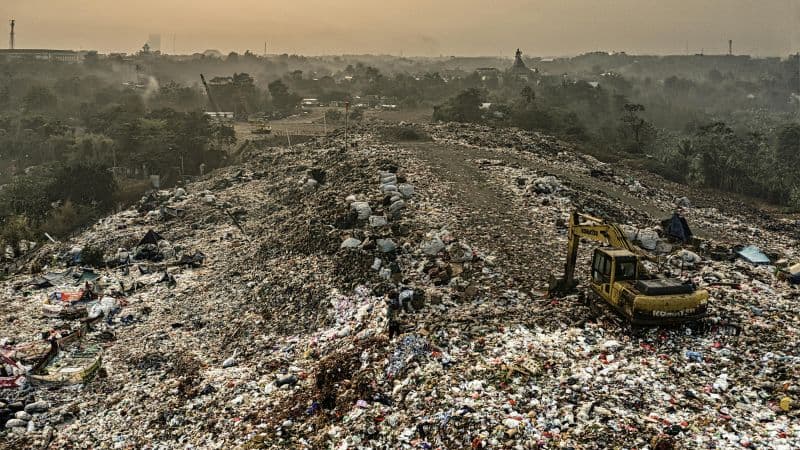
What Happens When You Don't Donate: The Dark Side of Textile Waste
Every year, millions of tons of clothing are discarded, piling up in landfills and contributing to environmental degradation. Discover the shocking statistics and learn how you can make a difference.
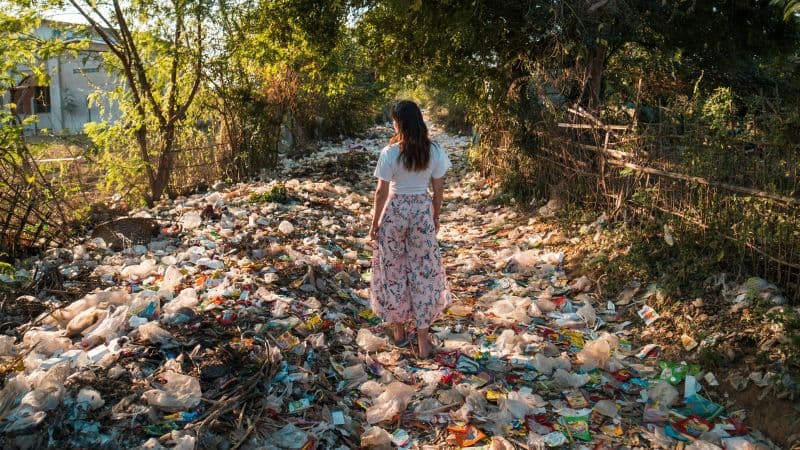
Where Your Donated Clothes Actually End Up
Only 15% of donated clothes are sold locally. See the surprising journey of 17 million tons of textile waste.
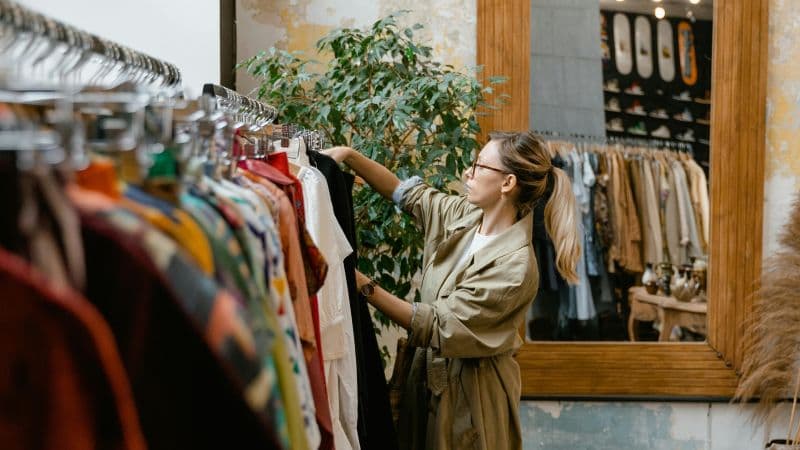
Sustainable Fashion: How to Shop Less and Donate More
The "one in, one out" rule changed how I think about my closet. Here's how it can work for you too.