

I used to be a chronic over-shopper. Every weekend sale, every "limited time offer," every cute top I spotted while grabbing coffee... it all ended up in my closet. Then one day I couldn't close my closet door anymore, and I realized I was wearing maybe 20% of what I owned. Sound familiar?
That moment led me to discover sustainable fashion. Not the intimidating, expensive version you might be picturing, but a practical approach that's actually made me happier with my wardrobe. The secret? Buying less, choosing better, and donating regularly. Let me show you how it works.
The "One In, One Out" Rule That Changed Everything
Here's the simple rule that transformed my relationship with clothes: for every new item I bring home, one item leaves. That's it. It sounds almost too easy, but this little commitment has completely changed how I shop.
When you know that buying something new means letting go of something you already own, you start asking yourself: "Is this really worth it?" More often than not, the answer is no. And when the answer is yes? You end up with something you truly love instead of another impulse buy.
How It Works
Before you buy, identify what's leaving
Pick the item you'll donate before you even make the purchase.
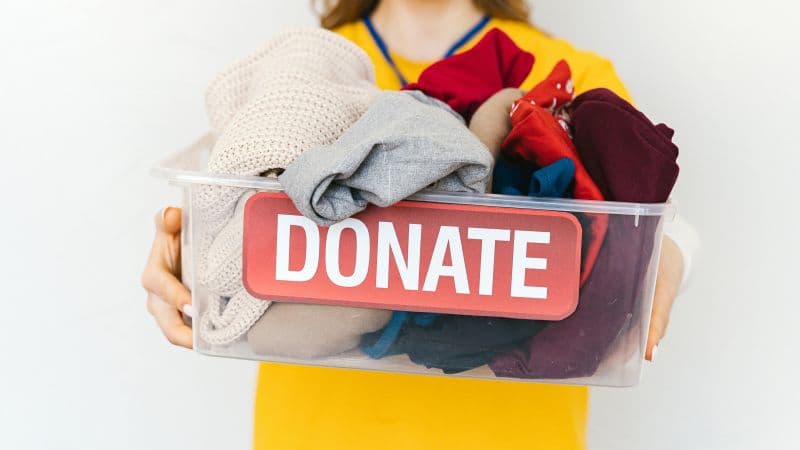
Keep a donation bag ready
I keep one in my closet. When it's full, I drop it off at Goodwill or Salvation Army.
Watch your closet transform
Over time, you'll have fewer items but love everything you own.
Pro Tip
Try the "two out" version if you're serious about downsizing. For every new item, donate two. Your future self (and your closet) will thank you.
The Questions That Stop Impulse Buys
Before I buy anything now, I run through a quick mental checklist. It takes about 30 seconds and has saved me hundreds of dollars (and a lot of closet space). Here's what I ask myself:
- 🤔Do I actually need this? Not "want" or "like." Need.
- 📅Will I wear it at least 30 times? If I can't imagine 30 outfits with it, it's not worth it.
- 👗Does it go with things I already own? If I need to buy more items to make it work, that's a red flag.
- 💰Would I pay full price? If I'm only interested because it's on sale, I probably don't really want it.
I'll be honest: I fail this checklist sometimes. We all do. But even catching myself 70% of the time has made a huge difference.
Why Second-Hand is My First Choice
Here's something that surprised me: shopping second-hand isn't settling for less. Some of my favorite pieces came from thrift stores. That vintage leather jacket everyone compliments? Fifteen dollars at Savers. The designer blazer I wear to every important meeting? Twenty-two dollars at a consignment shop.
When you buy second-hand, you're not contributing to new production. You're extending the life of clothing that already exists. And honestly? Thrift shopping is way more fun than scrolling through the same fast-fashion websites everyone else uses.
Did You Know?
The secondhand market is expected to double by 2028, according to ThredUp's Resale Report. More people are discovering what thrift shoppers have known for years: pre-loved clothes are a treasure hunt.
Building a Wardrobe You Actually Love
The goal isn't to own as few clothes as possible. It's to own clothes you actually wear and feel good in. That means investing in versatile pieces that work together instead of random items that don't match anything else you own.
Pieces Worth Investing In
The Basics
- • Well-fitting jeans in a classic cut
- • White and black t-shirts
- • A blazer that works for everything
- • Comfortable walking shoes
The Extras
- • A warm, quality coat
- • One great dress or formal outfit
- • A versatile bag
- • A few pieces that show your personality
The trick is sticking to colors that work together. I built my wardrobe around navy, white, and olive green. Everything mixes and matches, which means I can pack for a week in a carry-on and still have options.
Why This Matters Beyond Your Closet
Here's the thing: the fashion industry is one of the biggest polluters on the planet. Every new garment requires water, energy, and resources to produce. When we buy less and donate what we don't need, we're actively fighting that cycle.
And your donations really do help people. That sweater you've outgrown could keep someone warm this winter. Those work pants you don't wear anymore could help someone land a job. It's not just about decluttering your space (though that's nice too). It's about giving your clothes a second life with someone who needs them.
Think About It
Every item you don't buy is resources saved. Every item you donate is resources shared. Small choices, repeated over time, add up to real change.
Ready to Start?
You don't have to overhaul your entire wardrobe overnight. Start with one simple step: the next time you buy something new, donate something you no longer wear. Keep a bag in your closet and fill it over time. When it's full, find a donation center near you and drop it off.
That's it. No dramatic closet purge required. No expensive "capsule wardrobe" purchases. Just a gradual shift toward owning less but loving what you have.
Want more ideas for what to do with clothes you're ready to part with? Check out our guide on upcycling vs. donating to find the best option for each item. And if you need help deciding what stays and what goes, our closet cleanse guide walks you through it step by step.
Happy simplifying!

Kelly is a Senior Program Manager at the American Red Cross with nearly 7 years of experience in disaster response and community outreach. A graduate of Appalachian State University, she's passionate about connecting people with resources that make a real difference. When she's not coordinating relief efforts, Kelly loves sharing practical tips on sustainable giving and helping others find meaningful ways to support their communities.
Related Articles
Upcycling vs. Donating: Which is Right for You?
That old sweater doesn't have to end up in a landfill. Here's how to decide whether to transform it or pass it on.
From Closet to Cause: How Donating Clothes Helps You and the Earth
That overflowing closet? It's actually an opportunity to make a real difference for the planet and people in your community.