Where Your Donated Clothes Actually End Up
You drop off a bag of clothes at the donation center, feeling good about giving back. But where do those clothes actually go? The answer might surprise you.

Kelly Ferrell
November 5, 2025
The Numbers That Changed How I Think About Donating
I used to think donating clothes was simple: I drop them off, someone in need picks them up, everyone wins. Then I dug into the data. What I found completely changed my perspective.
15%
sold locally
66%
go to landfills
1%
recycled into new
17M
tons per year
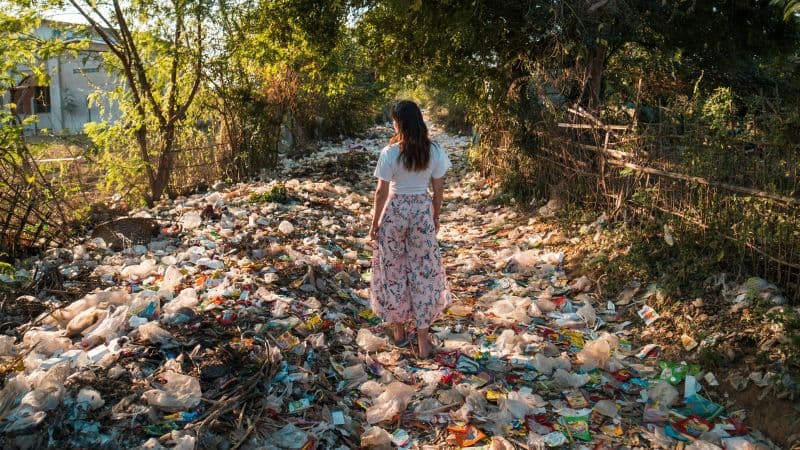
That last number is worth sitting with. Seventeen million tons of textile waste in the US alone, every single year. According to the EPA, that's 5.8% of all municipal solid waste. And it's growing.
The Journey of Your Donated Sweater
Let's follow a single sweater from your closet to its final destination. The path is more complicated than most of us realize.
The Real Destination of Your Donations
For every 100 items donated to thrift stores
100
pieces of clothing donated
15
Sold Locally
30
Exported
55
Landfill
85%
of donations never help someone in your community
Sources: EPA, SMART, Goodwill Industries International
Here's what that means: for every bag of clothes you donate, only about 15 items out of 100 will actually be purchased by someone in your community. The rest? Roughly 30 get bundled up and shipped overseas (often to countries like Kenya, Ghana, and Pakistan), while 55 end up in landfills or get incinerated.
This isn't meant to discourage you from donating. It's still better than throwing clothes in the trash directly. But understanding the full picture helps us make smarter choices.
Why Are We Drowning in Clothes?
The math is simple but staggering. Americans buy an average of 53 pieces of clothing per year. That's four times more than we bought in 2000, according to the Public Interest Research Group. Meanwhile, we're wearing each item 50% less than we did 15 years ago.
Think About It:
The average American throws away 81 pounds of textiles every year. That's roughly the weight of an 11-year-old child. Now multiply that by 330 million people.
Fast fashion has trained us to treat clothes as disposable. A $5 t-shirt doesn't feel precious. A trendy top that's "so last season" after three months doesn't inspire loyalty. And when clothes are this cheap, donation centers get overwhelmed with more inventory than they can possibly sell.
Organizations like Goodwill and Salvation Army receive nearly 6 billion pounds of donations annually. Even with thousands of stores, they simply can't sell it all locally.
The Complicated Reality of Overseas Exports
About 700,000 tons of used clothing gets exported from the US every year. These items travel to "bend down" markets in Africa, Latin America, and Asia, where customers literally bend down to pick through clothing piled on the ground.
This has created a complex situation. On one hand, it provides affordable clothing to people who need it. On the other, it's devastating local textile industries. Countries like Uganda enacted import bans in 2023 to protect local businesses, and Rwanda, Kenya, Tanzania, and Burundi have sought similar restrictions.
Did You Know?
In December 2024, the Government Accountability Office released its first-ever federal report on textile waste, calling it "one of the fastest-growing waste streams in the United States."
How to Make Your Donations Count
This isn't about feeling guilty. It's about being strategic. Here's how to maximize the impact of your clothing donations:
Donate to specialty organizations
Organizations like Dress for Success (professional attire) or local shelters have specific needs and higher placement rates.
Only donate what you'd give to a friend
Stained, torn, or worn-out items won't be sold. Check our donation guidelines for what to include.
Buy less in the first place
The most sustainable garment is the one you already own. Read more about sustainable fashion habits.
Consider selling or swapping
Platforms like ThredUp, Poshmark, or local clothing swaps give your clothes a direct second life.
Beware of for-profit bins
Many roadside bins are run by for-profit companies. Stick to verified charitable organizations.
The Bottom Line
Donating clothes is still better than throwing them away. It's still better than letting them sit in your closet. But understanding where they actually end up helps us make more intentional choices, both about what we donate and what we buy in the first place.
The next time you're about to click "add to cart" on a trendy piece you'll wear twice, remember: there's a good chance it'll end up in a landfill in Ghana. And the next time you donate, choose organizations that specialize in what you're giving.
Pro Tip:
Use our interactive map to find verified donation centers near you. Each location page shows what items they accept.
Every item you donate thoughtfully, every purchase you skip, every piece you repair instead of replace... it all adds up. The data tells us we have a problem. But it also shows us exactly where we can make a difference.
Sources
- EPA: Textiles: Material-Specific Data
- The Roundup: Textile Waste Statistics 2025
- Green America: What Really Happens to Unwanted Clothes
- GAO Report on Textile Waste (December 2024)
- Secondary Materials and Recycled Textiles Association (SMART)
- Reader's Digest: What Really Happens to Your Donated Clothes (June 2025)

Kelly Ferrell
Kelly is a Senior Program Manager at the American Red Cross with nearly 7 years of experience in disaster response and community outreach. A graduate of Appalachian State University, she's passionate about connecting people with resources that make a real difference.
Related Reading
Sustainable Fashion: How to Shop Less and Donate More
The "one in, one out" rule changed how I think about my closet. Here's how it can work for you too.

2026 Donation Trends: What Charities Need Most This Year
New year, new needs. Here's what donation centers are asking for in 2026.
Ready to Donate Smarter?
Find verified donation centers near you and match your items to organizations that need them most.
Find Donation Centers