
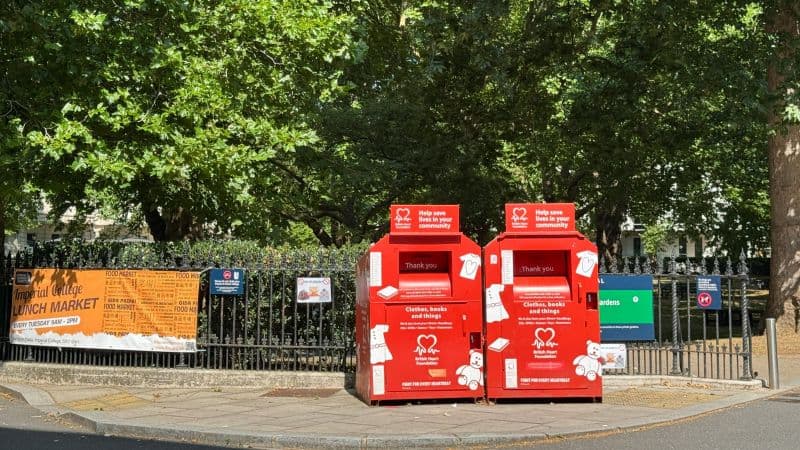
I used to think donating clothes was simple: bag it up, drop it off, done. Then I volunteered at a local donation center and watched staff spend hours sorting through donations that couldn't be used. Stained shirts, broken zippers, clothes that smelled like they'd been in a basement for years. I realized my "donations" might have been part of the problem.
The good news? A little preparation makes a huge difference. Here's what I learned about donating the right way.
The Golden Rule of Donating
Before you put anything in a donation bag, ask yourself one question: Would I give this to a friend?
Not "is this technically wearable" or "could someone maybe use this." Would you actually hand it to someone you know and feel good about it? If the answer is no, it probably shouldn't be donated.
Pro Tip
Donation centers aren't trash disposal services. When they receive unusable items, they have to pay to dispose of them. That takes money away from their actual mission.
Before You Bag: The Quick Checklist
Run through this list before anything goes in your donation bag:
- 👃Smell check: If it smells musty, smoky, or just off, wash it first (or skip it)
- 👀Stain check: Visible stains usually mean it's not donatable
- 🔍Damage check: Holes, missing buttons, broken zippers? Either fix them or recycle the item
- 🧺Clean check: Everything should be freshly washed and dry
What Makes a Good Donation
Donate These
- ✓ Clean clothes in good condition
- ✓ Shoes that still have life in them (tied together in pairs)
- ✓ Accessories like belts, scarves, and hats
- ✓ Gently used coats and outerwear
- ✓ Professional attire for job seekers
Skip These
- ✗ Stained or heavily worn items
- ✗ Clothes with rips, holes, or missing parts
- ✗ Used underwear or socks (new only)
- ✗ Anything damp, moldy, or smelly
- ✗ Single shoes or mismatched items
How to Pack Your Donations
A little organization goes a long way for the volunteers who sort through donations:
Use bags that close
Tie garbage bags or use bags with handles. Loose items fall out and get damaged.
Keep it manageable
Don't overstuff bags. If you can't carry it easily, neither can the staff.
Separate categories if you can
Kids' clothes in one bag, adult clothes in another. It helps with sorting.
Did You Know?
Some items are especially needed right now. Winter coats, professional attire, and plus-size clothing are always in high demand. Check out our 2025 donation trends to see what charities need most.
Where to Drop Off
Different organizations have different needs. Here are some options:
- 🏪Goodwill and Salvation Army: Accept most clothing and household items
- 👔Dress for Success: Specifically wants professional attire for women
- 📦Planet Aid bins: Convenient drop-off boxes in parking lots
- 🏠Local shelters: Often need specific items, so call ahead
The Bottom Line
Good donation etiquette isn't complicated. Clean it, check it, bag it properly. That's really all it takes to make sure your donation actually helps someone.
Ready to donate? Find a donation center near you and drop off your items during their regular hours. Not sure what to keep and what to donate? Our closet cleanse guide can help you decide.
Happy donating!

Kelly is a Senior Program Manager at the American Red Cross with nearly 7 years of experience in disaster response and community outreach. A graduate of Appalachian State University, she's passionate about connecting people with resources that make a real difference. When she's not coordinating relief efforts, Kelly loves sharing practical tips on sustainable giving and helping others find meaningful ways to support their communities.
Related Articles

Closet Cleanse: How to Decide What Clothes to Donate
If your wardrobe is overflowing, it's time for a refresh! Learn how to decide what clothes to donate with our fun and guilt-free closet cleanse guide.

2025 Donation Trends: What Items Are Most Needed at Charities Right Now?
Some items are in much higher demand than others this year. Here's what charities actually need most.